Your Ultimate Guide to Choosing Durable and Cost-Effective Patio Flooring
When it comes to enhancing your outdoor living space, the choice of flooring can significantly impact both aesthetics and functionality. Homeowners are often faced with an overwhelming array of options, each promising durability, cost-effectiveness, and easy upkeep. However, selecting the right flooring material requires careful consideration of various factors, including climate, usage, and maintenance. This guide aims to simplify your decision-making process by exploring the best flooring solutions for patios that balance durability, affordability, and ease of maintenance.
As you embark on this journey of creating or upgrading your patio, it’s essential to weigh the pros and cons of each flooring material. Not only do you want an attractive space to entertain guests and relax, but you also want a surface that can withstand the elements, is easy to clean, and won’t break the bank. Understanding the specific needs of your outdoor area will help you choose a floor that enhances your lifestyle without overwhelming your budget.
In this comprehensive article, we will delve into the various patio flooring options available today, providing insight into their durability, cost, and maintenance requirements. From classic materials like concrete and pavers to modern alternatives such as composite decking, each option has unique benefits and potential drawbacks. By the end of this guide, you'll be well-equipped to make an informed decision about the best flooring for your patio.
Exploring Popular Patio Flooring Materials
Choosing the right material is a crucial first step in your patio flooring project. Among the most popular options are concrete, natural stone, pavers, and wood. Concrete is often favored for its durability and low cost; it can be poured in various shapes and finishes, making it versatile for any design. Natural stone, such as slate or flagstone, brings an organic, sophisticated look but can be pricier and more challenging to install. Pavers offer a mix of functionality and aesthetics, available in numerous colors and patterns, while wood provides a warm, inviting feel but requires more maintenance.
Each material has its own set of characteristics that can either complement or clash with your home’s architecture and landscape. For example, concrete is excellent for modern homes, while natural stone suits more traditional designs. Understanding what each material can bring to your space will help you narrow down your choices and find the perfect fit for your needs.
Additionally, consider factors like climate and intended use when selecting your patio flooring. For regions with heavy rainfall, for instance, a material that provides good drainage and is slip-resistant is paramount. On the other hand, if you live in a warmer climate, heat-resistant materials like tiles or stone can enhance your outdoor comfort. Ultimately, the right choice will not only enhance your patio's appearance but also ensure it stands the test of time.
Concrete: The Budget-Friendly Workhorse
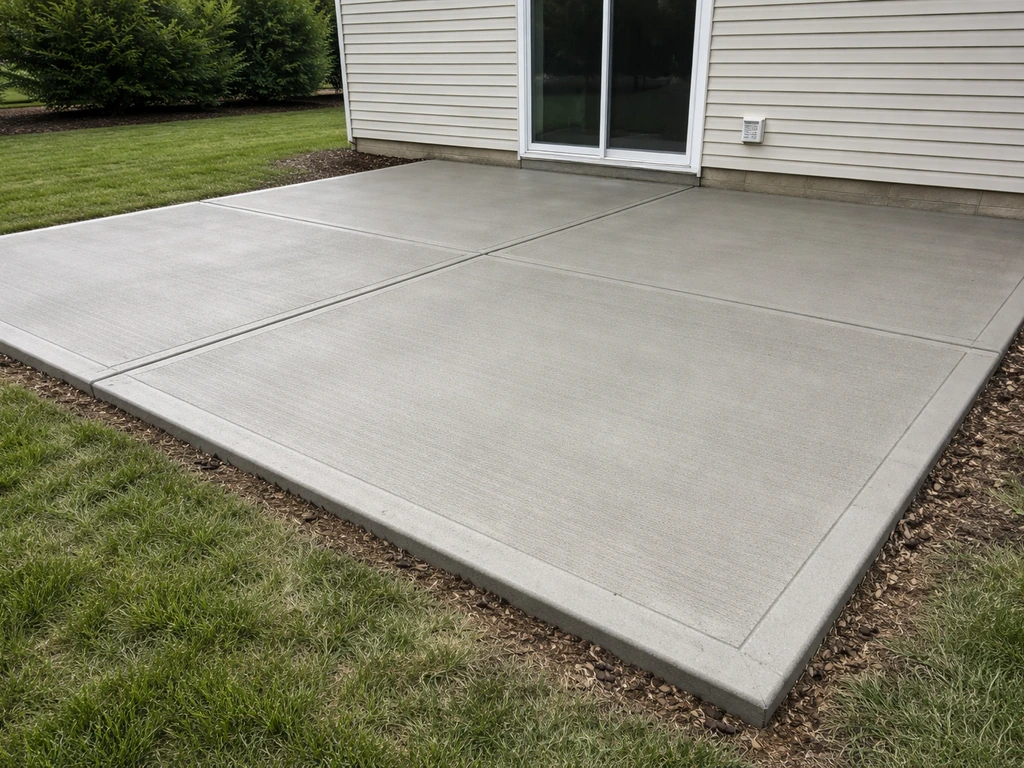
Concrete is one of the most commonly used materials for patio flooring due to its affordability and versatility. It can be stamped, stained, or painted to mimic more expensive materials like stone or tile, providing a customized look at a fraction of the cost. Additionally, concrete is incredibly durable, making it an excellent option for patios that will see heavy foot traffic. With proper sealing, it can also resist moisture and staining, ensuring longevity.
One of the downsides of concrete is that it can crack if not installed correctly or if the ground shifts. To mitigate this, it’s essential to prepare the base properly and pour the concrete in suitable weather conditions. Regular maintenance, such as sealing and cleaning, will help keep your concrete patio looking its best over time.
Natural Stone: Timeless Elegance
Natural stone offers unmatched beauty and durability, making it a popular choice among homeowners looking for a luxurious patio. Materials like granite, slate, and travertine not only provide a stunning aesthetic but also stand up well against the elements. Each stone has unique textures and colors that can blend seamlessly with your garden, creating a natural look. patio pavers DIY
However, natural stone can be considerably more expensive than other options, and its installation often requires professional help due to the weight and complexity of the material. Additionally, stone can be slippery when wet, so choosing a textured finish or adding non-slip treatments may be necessary for safety. Despite these challenges, many find the investment worthwhile for the striking visual appeal and long-lasting quality.
Pavers: Versatile and Stylish
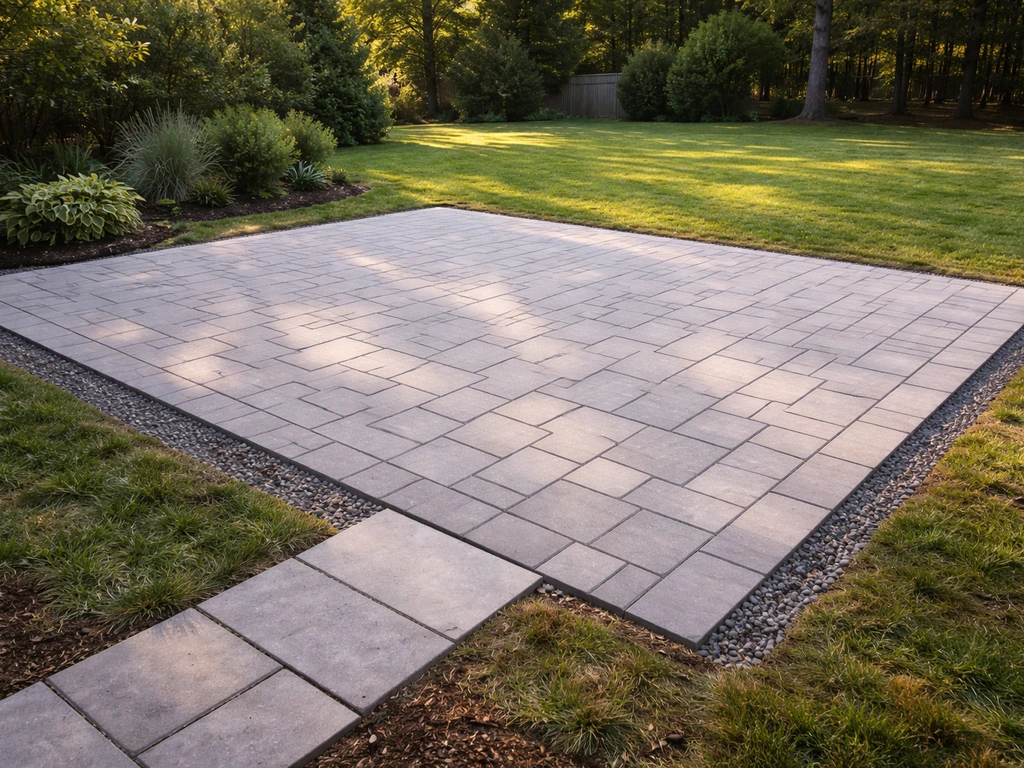
Pavers are another excellent choice for patio flooring, combining durability with aesthetic flexibility. Available in various materials such as brick, concrete, and stone, pavers can be arranged in countless patterns that allow homeowners to express their personal style. They are also relatively easy to install and can be replaced individually if damaged, making them a practical solution for outdoor spaces.
One important consideration with pavers is the need for proper joint filling and maintenance to prevent weed growth and shifting over time. Regular cleaning and sealing can help maintain the appearance and integrity of paver patios. Overall, pavers balance style, durability, and ease of maintenance, making them a favored choice for many homeowners.
Wood Decking: Warmth and Natural Appeal
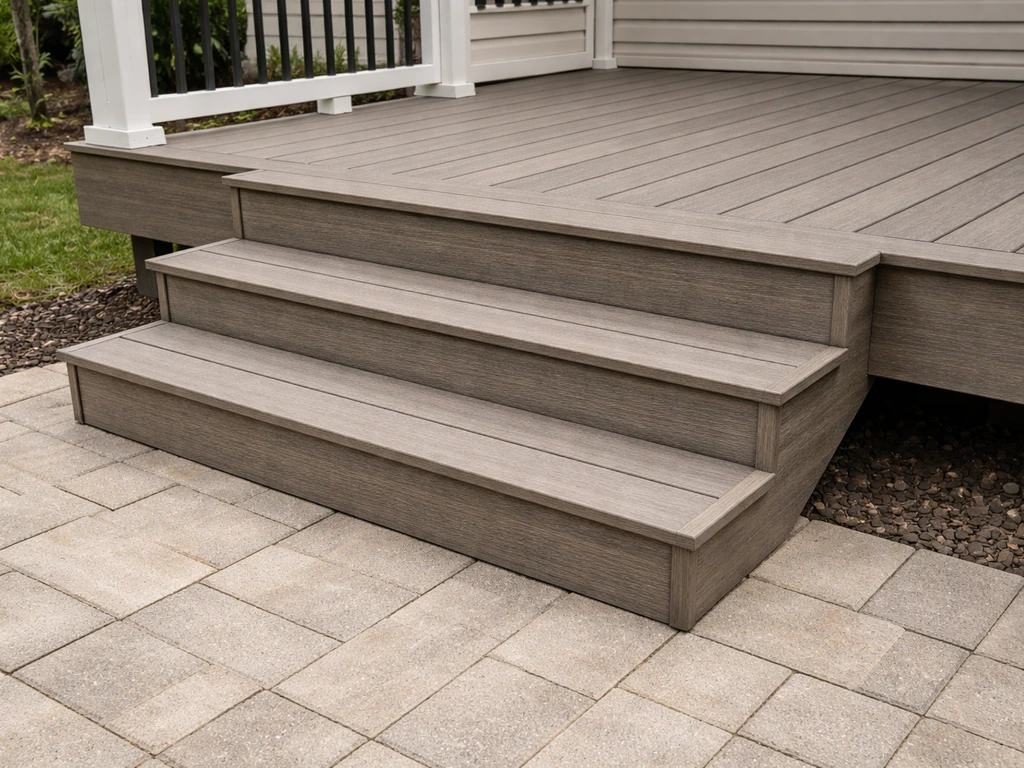
For those seeking a more traditional look, wood decking can provide an inviting atmosphere. Wooden patios exude warmth and charm, making them perfect for cozy gatherings and family barbecues. However, wood requires significant upkeep, including staining and sealing to protect against moisture and UV damage. Moreover, certain types of wood, like cedar or redwood, are more resistant to decay but come with a higher price tag.
Composite decking has emerged as a popular alternative to traditional wood. Made from recycled materials, composite decks offer the beauty of wood without the extensive maintenance. They resist fading, staining, and rotting while providing a variety of colors and textures. However, composite can also be more expensive upfront than natural wood, and some homeowners may prefer the authenticity of real wood over synthetic materials.
Cost Considerations for Patio Flooring
Understanding the costs associated with various patio flooring options is essential for budgeting effectively. Concrete is generally the most affordable option, with installation costs averaging between $3 to $10 per square foot, depending on the finish. Pavers can range from $5 to $20 per square foot, depending on the material and complexity of the design.
Natural stone tends to be on the higher end, with prices ranging from $10 to $30 per square foot, including installation. Wood, particularly high-quality varieties, can also be costly, averaging $10 to $20 per square foot. When considering costs, it’s essential to account for both initial investments and long-term maintenance expenses.
concrete patio guide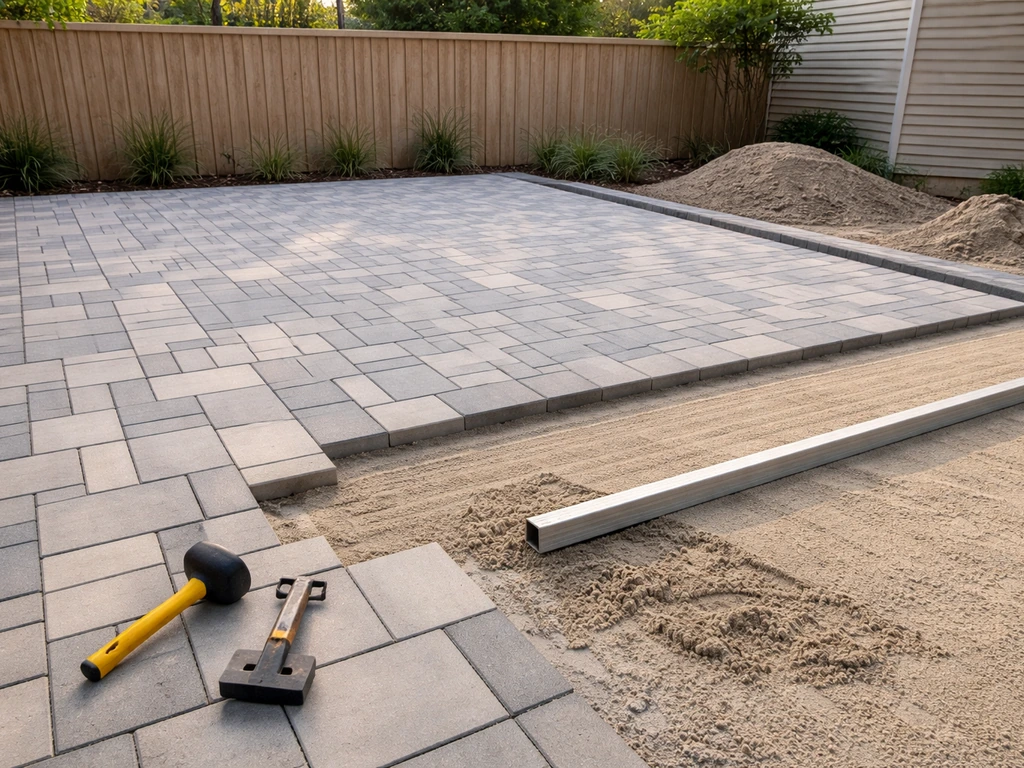
Budgeting for unexpected costs, such as repairs or additional landscaping, is crucial. For example, if you opt for a material that requires professional installation, ensure you have the funds set aside for labor. Furthermore, consider the climate in your area; materials that withstand local weather conditions may save you money in the long run by reducing repair costs.
Maintenance Requirements for Longevity
While some patio flooring options may be more durable than others, all require some level of maintenance to ensure their longevity. Concrete patios need to be sealed every few years to prevent cracking and staining. Regular cleaning with a pressure washer can help maintain its appearance, especially in areas prone to dirt and mold.
Natural stone requires specific care based on the type of stone; some may need sealing to prevent staining, while others are more resistant to damage. It’s advisable to sweep and hose down your stone patio regularly to avoid dirt buildup and maintain its natural beauty.
Pavers, while generally low-maintenance, will benefit from joint filling and occasional cleaning to prevent weeds. Wood patios require the most upkeep, including regular sealing, staining, and cleaning to protect against the elements. Understanding the maintenance requirements of your chosen flooring will help you make a more informed decision that aligns with your lifestyle.
Comparing Pros and Cons of Patio Flooring Options
- Concrete:
- Pros: Affordability, durability, and high versatility make concrete an attractive option for many homeowners.
- Cons: Can crack if not installed properly and may require regular sealing.
- Natural Stone:
- Pros: Offers a luxurious look and is highly durable.
- Cons: Higher cost and requires professional installation.
- Pavers:
- Pros: Stylish, easy to replace, and available in various designs.
- Cons: Requires joint maintenance to prevent weed growth.
- Wood:
- Pros: Enhances warmth and charm, creating a cozy outdoor space.
- Cons: Requires significant upkeep and can be vulnerable to rot if not properly maintained.
When weighing these factors, consider not just the initial costs but also the long-term implications of maintenance, durability, and how each material aligns with your lifestyle and usage patterns. For example, if you host frequent gatherings, a more durable and easier-to-maintain material may be worth the investment.
Frequently Asked Questions
- What is the most affordable patio flooring option?
Concrete typically stands out as the most affordable patio flooring option, costing around $3 to $10 per square foot, depending on the finish. Its durability also makes it a cost-effective choice for long-term use, provided it is maintained correctly.
- How do I maintain a wood patio?
Maintenance for a wood patio includes regular cleaning, staining, and sealing to protect against moisture and UV damage. It’s essential to inspect the wood for signs of rot or wear and to replace any damaged boards promptly to maintain the integrity of your deck.
- Are pavers difficult to install?
Pavers can be relatively straightforward to install, especially for DIY enthusiasts. However, proper base preparation and ensuring correct alignment are crucial for a successful installation. Many homeowners choose to hire professionals for complex designs or larger areas.
- Can I use natural stone in a wet climate?
Yes, many types of natural stone, such as granite and slate, perform well in wet climates. However, it’s essential to select stones that offer good slip resistance and to apply sealants to protect against moisture damage.
- What is the lifespan of concrete patio flooring?
Concrete patios can last anywhere from 25 to 50 years with proper maintenance, including sealing and regular cleaning. Factors like climate and usage will influence its longevity, so care is crucial.
Conclusion
Choosing the right patio flooring is a significant decision that affects the functionality and aesthetic appeal of your outdoor space. With options ranging from budget-friendly concrete to luxurious natural stone, it’s essential to consider factors like durability, cost, and maintenance requirements. By understanding the pros and cons of each material, you can select a flooring option that aligns with your lifestyle and enhances your home’s value.
DIY patio buildingUltimately, the best patio flooring is one that fits your personal preferences, budget, and maintenance capacity. Whether you opt for the modern appeal of concrete or the timeless beauty of natural stone, investing time in research will pay off in the long run. Take the leap, transform your patio, and enjoy the beautiful outdoor space you deserve.

